HOA Estoppel Certificate in Alachua County, FL
Learn what an HOA estoppel certificate is in Florida, why it matters for Alachua County buyers and sellers, and how to read association records.
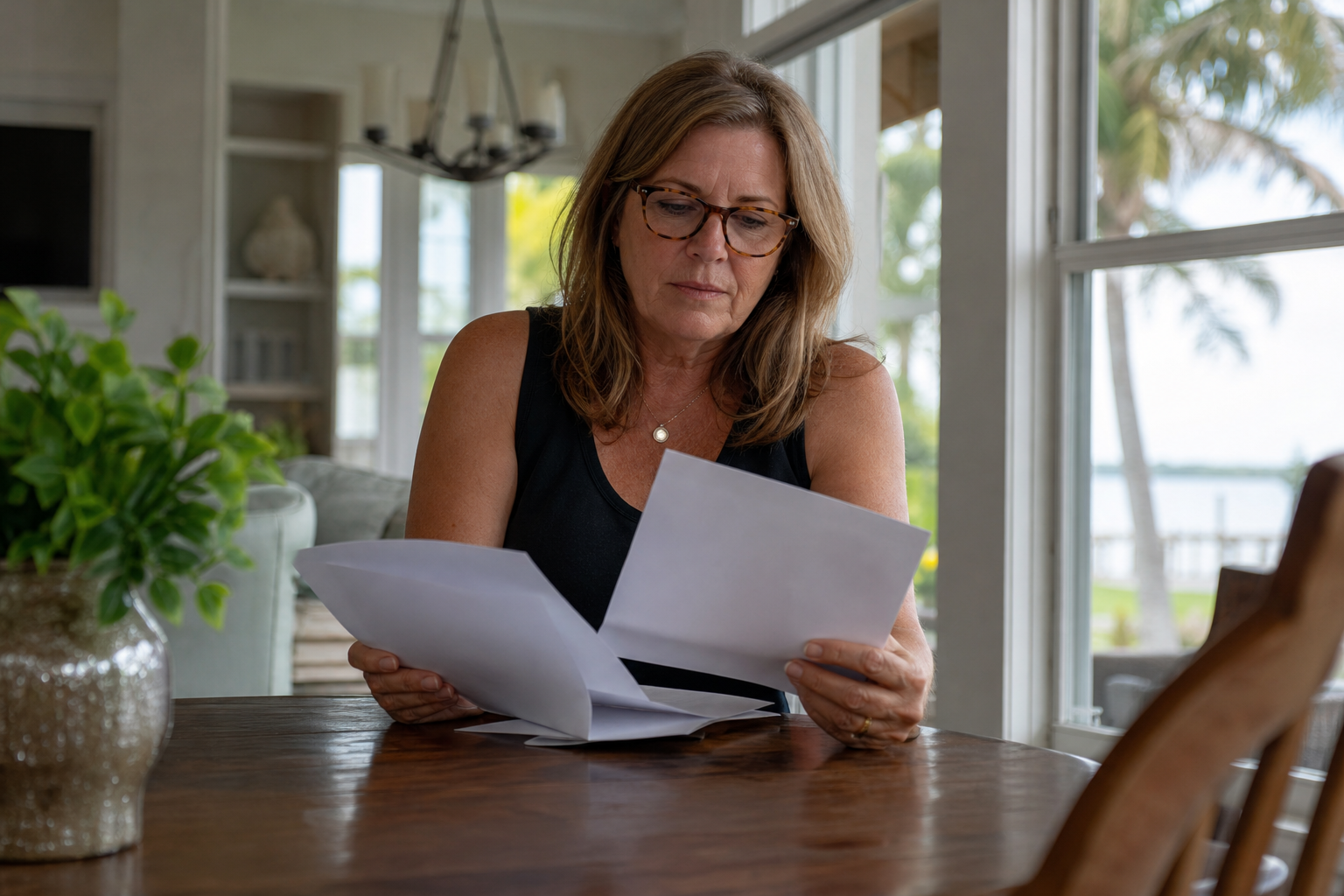
An HOA estoppel certificate is a written statement issued by a Florida homeowners or condominium association that certifies the exact amounts a seller owes — including dues, assessments, fines, and fees — as of a specific date. It exists to protect buyers from inheriting unpaid debts at closing. In Alachua County, as throughout Florida, this document is a standard and legally significant part of most real estate transactions involving a community association.
What exactly is an estoppel certificate and what does it contain?
An estoppel certificate is a formal certification from a community association that freezes the financial record of a specific unit at a specific moment in time. The word "estoppel" is a legal term meaning the issuing party is prevented — or estopped — from later claiming a different amount than what was stated.
A Florida estoppel certificate typically includes:
- The current amount of regular assessments (monthly or quarterly dues)
- Any unpaid assessments, fines, or special assessments
- Interest or late fees accrued on overdue amounts
- Any open violations or pending hearings
- The name and contact information for the association or its management company
- The period the certificate is valid
This document is not an opinion — it is the association's official, certified statement of what is owed. If the certificate states a certain balance and the buyer closes on that basis, Florida law generally holds the association to those figures.
Why does an estoppel certificate matter when buying or selling a home?
Without an estoppel certificate, a buyer could unknowingly take ownership of a property that carries unpaid association debts. Florida law allows associations to place liens on property for unpaid assessments, and in some cases to pursue foreclosure. Those liens do not always disappear at closing unless the debt is specifically addressed.
For sellers in Alachua County, the estoppel certificate confirms what must be paid at or before closing to transfer the property free of association claims. For buyers, it is assurance that the certified amount is what they are responsible for — not a surprise balance discovered later.
Real estate attorneys and title companies routinely require the estoppel certificate before closing. It is not optional in most transactions.
How does the estoppel certificate process work in Alachua County?
In Alachua County, the process follows Florida's statewide statutory framework, which applies uniformly across all 67 counties. Here is how it generally works:
- Submit a written request. The seller, buyer, or their agent submits a written request to the association or its management company asking for an estoppel certificate.
- Association prepares the document. The association has a deadline set by Florida statute — typically 10 business days — to deliver the certificate.
- Fee is collected. The association may charge a preparation fee within statutory limits. The fee is sometimes paid by the seller and sometimes negotiated as part of closing costs.
- Certificate is delivered. The document is delivered electronically or by mail. Electronic delivery typically carries a shorter validity window.
- Title company reviews it. At closing, the title company uses the certified figures to calculate what the seller must pay from proceeds to clear any association balance.
- Closing occurs. The buyer receives confirmation that the association's records show no outstanding balance beyond what is stated.
Alachua County associations, like those in Gainesville or surrounding unincorporated communities, are governed by the same statutory deadlines and fee caps as associations anywhere else in Florida.
How can I look up an association's records before requesting an estoppel?
Before requesting a formal estoppel certificate, it is useful to know the basics about the association: who manages it, whether it is registered, and what type of association it is. Search the Registry to find Florida community associations, licensed community association managers (CAMs), and management firms listed in FL HOA Registry's directory.
FL HOA Registry is a private directory built from DBPR public records. It is not affiliated with the State of Florida, and it does not replace the official DBPR site. For official verification of a license or registration, always check the State's own DBPR portal directly. FL HOA Registry is a starting point for research, not a government record.
You can also browse association listings by county to narrow your search to Alachua County communities specifically.
What should I do if something in the estoppel certificate looks wrong?
If the dollar amounts seem higher than expected, or if violations are listed that you believe were resolved, you have a few options — none of which involve simply ignoring the discrepancy.
- Contact the association in writing. Request documentation supporting the amounts listed. Associations are required to maintain records and must provide them upon request under Florida law.
- Ask your real estate attorney to review it. An attorney familiar with Florida community association law can identify whether figures appear legally supportable.
- Do not close until discrepancies are resolved. An estoppel certificate protects you only if it is accurate. Closing on inaccurate figures can create disputes that are difficult to resolve after the fact.
This content is educational information, not legal advice. For guidance specific to your situation, consult a licensed Florida real estate attorney or a licensed community association manager.
Where can board members find guidance on issuing estoppel certificates?
Board members in Alachua County associations are responsible for ensuring their association meets statutory deadlines and fee requirements when responding to estoppel requests. Failures to comply can expose the association to liability.
FL HOA Registry maintains resources for community association boards that can help board members understand their obligations under Florida law. For authoritative legal requirements, boards should work with a licensed Florida attorney who specializes in community association law.
You can also explore more guides on this topic or Look Up an Association to review how your association appears in Florida's public records.
Frequently asked questions
Who is legally required to provide an estoppel certificate in Florida?
Florida law places the obligation on the association to provide the estoppel certificate upon written request. The association must respond within a specific timeframe set by statute, so the buyer or seller should submit the request in writing as early as possible in the transaction.
Can an HOA charge a fee to issue an estoppel certificate?
Yes, Florida statutes allow associations to charge a fee for preparing an estoppel certificate, and the fee is subject to statutory caps. The exact amount can vary, so ask the association directly or consult a real estate attorney for current limits.
Is the information in an estoppel certificate legally binding?
Under Florida law, the association is generally bound by the figures and statements it certifies in the estoppel certificate. This protection is intended to prevent the association from later claiming a higher balance was owed at closing.
What happens if an estoppel certificate contains an error?
If the association provides incorrect information, Florida law typically holds the association responsible for amounts that were misstated, not the buyer who relied on the certificate in good faith. Consult a licensed attorney if you believe an error has caused a financial harm.
How long is a Florida estoppel certificate valid?
Florida statutes set a specific validity window for estoppel certificates, generally 30 days for electronic delivery or 35 days for other methods. If closing does not occur within that window, a new certificate may be required.
Does an estoppel certificate apply to condo associations as well as HOAs?
Yes, both homeowners associations and condominium associations in Florida are governed by statutes that require estoppel certificates. The process is similar for both, though the governing statutes differ slightly.
Where can I find the official governing documents for an Alachua County association?
Governing documents such as declarations and bylaws are typically recorded with the Alachua County Clerk of Courts. You can also look up association details through FL HOA Registry, a private directory built from DBPR public records, and verify official status at the State's own DBPR site.
General information about Florida community association records and law, not legal advice. For a specific situation, consult a Florida-licensed attorney. flhoaregistry.com is an independent directory and is not affiliated with the State of Florida.