Florida Condo Milestone Inspections: Alachua County Guide
Learn what a Florida condo Milestone inspection is, who it applies to, and how Alachua County condo owners and boards can stay informed and compliant.
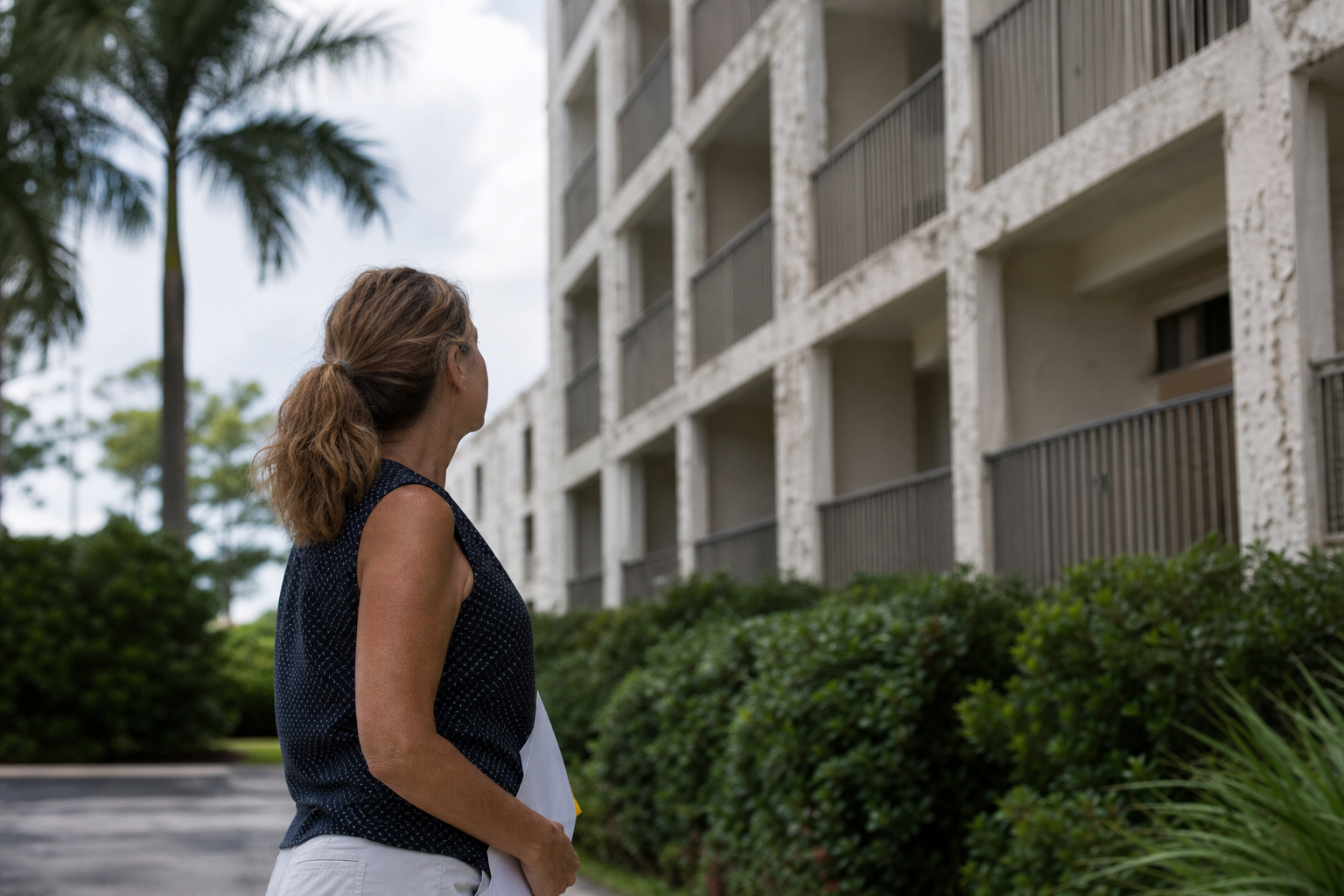
A Florida condo Milestone inspection is a mandatory structural assessment required by Florida law for condominium and cooperative buildings that meet specific age and height thresholds. It evaluates the building's structural integrity by examining components such as load-bearing walls, floors, roofs, and foundations. The inspection is conducted by a Florida-licensed architect or engineer and is designed to identify deterioration before it becomes a safety risk.
What exactly is a Milestone inspection, and what does it cover?
A Milestone inspection is a two-phase structural review of a qualifying condominium or cooperative building's primary structural components. The requirement was established under Florida law following heightened legislative attention to building safety across the state.
Phase 1 involves a visual assessment of the building's exterior and other accessible structural elements. The licensed professional looks for signs of distress, deterioration, or other conditions that could affect structural integrity.
Phase 2 is triggered only if Phase 1 uncovers evidence of substantial structural deterioration. This deeper investigation may include exploratory testing to determine the extent and severity of any identified issues.
The inspection report must be provided to the association and, in turn, shared with all unit owners. Local building officials also receive a copy.
Which Florida condo buildings are required to get one?
Not every condominium building in Florida is subject to this requirement. The law applies based on two main factors: the building's age and its height.
Generally, the threshold involves buildings that are a certain number of stories tall and have reached a specified age. Buildings located closer to the coastline may face an earlier inspection deadline than those situated further inland. The law uses the building's original certificate of occupancy date to determine when the first inspection is due.
Key factors that determine applicability:
- Number of habitable stories in the building
- Age of the building measured from the certificate of occupancy
- Proximity to the coastline (coastal versus non-coastal designation)
- Whether the building is a condominium or cooperative structure
Because the specific thresholds involve statutory definitions, boards and owners should consult a Florida-licensed attorney or the official Florida statutes for precise applicability criteria rather than relying solely on summaries.
How does the Milestone inspection process work in Alachua County?
In Alachua County, the Milestone inspection process follows the same statewide framework established under Florida law, with local building officials playing an oversight role. If a qualifying condominium building in Alachua County — such as those near the University of Florida area or elsewhere in the county — reaches its inspection threshold, the association must arrange for the inspection by the required deadline.
Once the inspection is complete, the association submits the report to the local building department. If Phase 1 reveals concerns requiring Phase 2 follow-up, the local authority may set a timeline for the association to complete further evaluation and any necessary repairs.
Alachua County property owners and board members who want to identify their association's registration details or management contacts can Search the Registry to locate their community's publicly available information.
What are the board's responsibilities after the inspection?
After the inspection report is finalized, the association's board carries several obligations under Florida law.
- Distribute the report to all unit owners within the timeframe specified by statute.
- Submit the report to the local building official as required.
- Post the report on the association's official website, if one is maintained.
- Disclose the report to prospective buyers during the resale process.
- Plan for any required repairs identified in a Phase 2 investigation, coordinating with licensed professionals.
Boards that are uncertain about their specific obligations should seek guidance from a Florida-licensed community association attorney. This post is educational in nature and is not legal advice.
How does the Milestone inspection relate to other Florida condo requirements?
The Milestone inspection is one part of a broader set of structural safety requirements introduced by Florida law. It works alongside the Structural Integrity Reserve Study (SIRS), which is a separate requirement that evaluates whether an association has adequate financial reserves set aside for the eventual repair or replacement of major structural components.
Together, these requirements are designed to ensure that condominium buildings are both physically sound and financially prepared for long-term maintenance. Neither requirement replaces routine maintenance obligations or other inspections a local jurisdiction may require.
For Alachua County boards managing communities subject to both requirements, coordinating timelines and working with qualified professionals early is a practical approach. You can review association records and management contacts for communities in the county through our county directory.
Where can owners and boards find reliable information about their association?
Florida law requires associations to make inspection reports available to unit owners, so your first step is to contact your board or management company directly. For official licensing verification of engineers, architects, or community association managers, the Florida Department of Business and Professional Regulation (DBPR) maintains its own public records portal — that is the authoritative government source.
FL HOA Registry is a private directory built from official DBPR public records. It is not affiliated with the State of Florida or any government agency. It does not provide legal verification or replace official state records. What it does offer is a convenient way to locate basic registration information about Florida community associations, management firms, and licensed community association managers (CAMs).
If you are an Alachua County condo owner trying to identify your association's registered agent, management firm, or other directory-level details, you can Look Up an Association using our statewide search. For more resources on understanding association records, visit our resources section or browse additional guides on our blog.
For questions about whether your specific building qualifies for Milestone inspections, the correct deadlines, or enforcement procedures, consult a licensed Florida attorney or your local Alachua County building department.
Frequently asked questions
Who orders and pays for the Milestone inspection?
The condominium association is responsible for arranging and funding the Milestone inspection. Costs are typically treated as a common expense shared among unit owners, though the exact allocation depends on each association's governing documents.
What happens if a building fails its Milestone inspection?
If the Phase 1 review identifies potential structural concerns, the engineer must move to a Phase 2 investigation to assess the extent of any deterioration. Depending on findings, the association may be required to make repairs within a set timeframe established by local authorities.
Does the Milestone inspection replace the Structural Integrity Reserve Study?
No. The Milestone inspection and the Structural Integrity Reserve Study (SIRS) are two separate requirements created by Florida law. The Milestone inspection assesses current structural condition, while the SIRS evaluates long-term reserve funding needs for major components.
Are single-family homes or townhouses subject to Milestone inspections?
No. Milestone inspections apply specifically to condominium buildings and cooperative buildings that meet the height and age thresholds defined in Florida law. Single-family homes and most townhome communities are not subject to this requirement.
What credentials must the inspector have?
Florida law requires the inspection to be performed by a licensed architect or engineer authorized to practice in Florida. The professional must be qualified to evaluate structural components of buildings.
Where can I find official Milestone inspection records for my association?
Inspection reports must be provided to unit owners by the association. You can also check official state resources through the Florida Department of Business and Professional Regulation (DBPR) for licensing verification. FL HOA Registry is a private directory built from public DBPR records and is not affiliated with the State of Florida.
What if my association has not complied with the Milestone inspection requirement?
Non-compliant associations may face enforcement actions from local building officials. Unit owners who have concerns about their association's compliance should consult a licensed Florida attorney or contact their local building department for authoritative guidance.
General information about Florida community association records and law, not legal advice. For a specific situation, consult a Florida-licensed attorney. flhoaregistry.com is an independent directory and is not affiliated with the State of Florida.